01
Daily checks
Check cleanliness, obvious wear, guide position, air pressure and any loose components before production starts.
Buyer guide
Routine maintenance helps a screw capper keep applying closures consistently. The exact schedule depends on the machine, product and site, but the checklist below gives a practical starting point.
Selection notes
Routine maintenance helps a screw capper keep applying closures consistently. The exact schedule depends on the machine, product and site, but the checklist below gives a practical starting point.
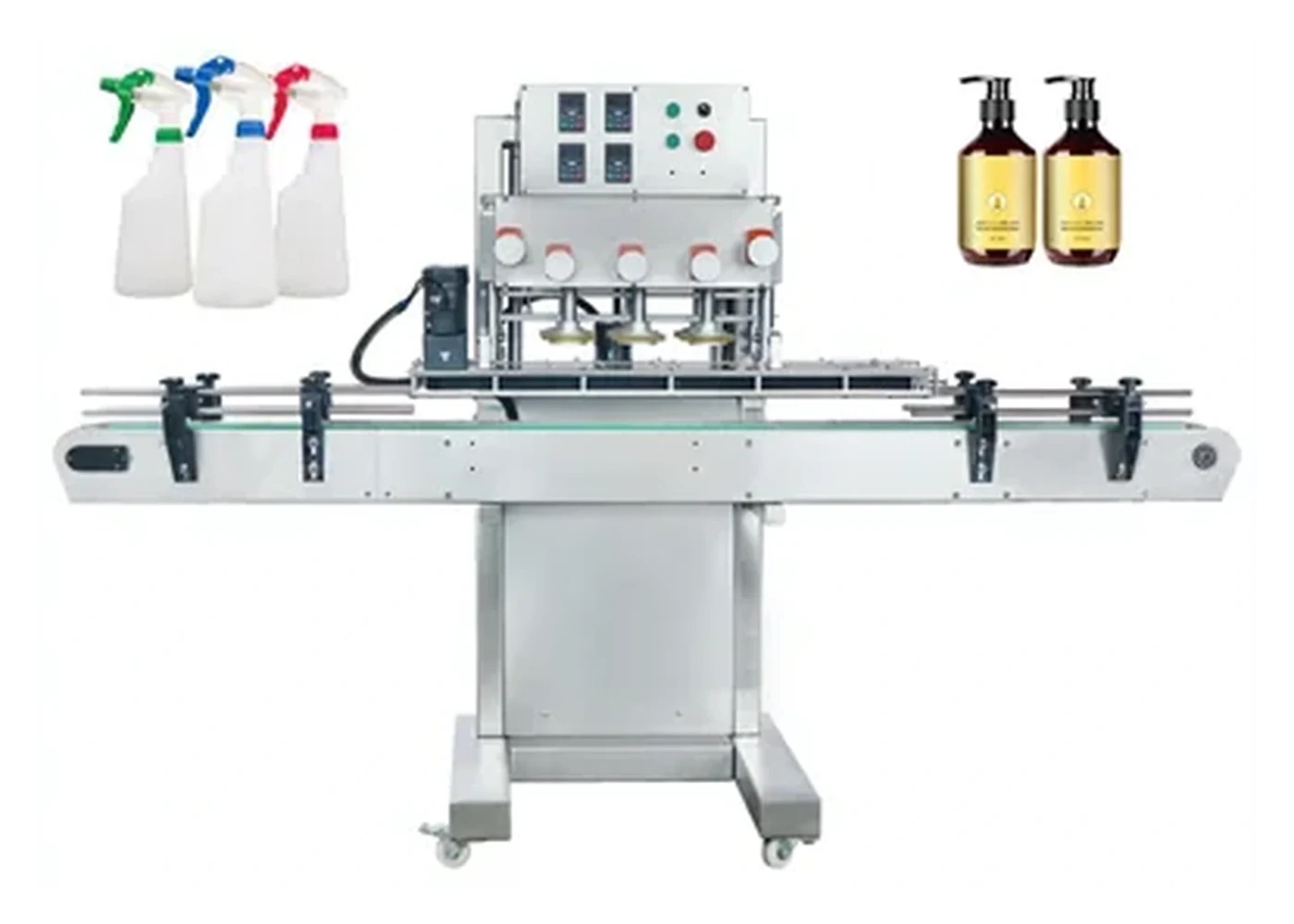
Buying detail
Check cleanliness, obvious wear, guide position, air pressure and any loose components before production starts.
Confirm torque settings, capper head height, bottle guides and cap feeder performance when formats change or quality issues appear.
Keep sensible spares for wear items so avoidable downtime is reduced. Record part numbers and machine configuration after commissioning.
Include cap diameter, closure type, bottle size, target output, available space and whether the capper needs to connect to filling or labelling equipment.
Related routes
Use this route to compare another part of the screw capping project and strengthen your enquiry brief.
Use this route to compare another part of the screw capping project and strengthen your enquiry brief.
Use this route to compare another part of the screw capping project and strengthen your enquiry brief.
Use this route to compare another part of the screw capping project and strengthen your enquiry brief.
Use this route to compare another part of the screw capping project and strengthen your enquiry brief.
Use this route to compare another part of the screw capping project and strengthen your enquiry brief.
FAQs
Suitability depends on cap type, bottle stability, target torque, output and whether caps are manually placed or automatically fed. Samples help confirm the correct route.
Send bottle and cap samples or drawings, cap diameter, bottle height and diameter, target output, product type, line layout and any changeover requirements.
Yes. Lancing UK can review the product, pack, closure and output requirement first, then help shortlist a practical screw capping route.
Return to service
Cleaning, adjustment or replacement can change grip, head height, guide position, clamp timing, side-belt pressure, cap-feed alignment or sensor position. Restore the approved format record and repeat the relevant first-off checks before release.
Identify the machine state, format, settings, fault, affected parts and accepted reference pack.
Inspect guards, tools, fasteners, utilities and adjusted positions; remove loose parts and confirm line clearance.
Run controlled first-off packs, check cap start, height, opening/removal, appearance and normal stop/restart behaviour.
Safe maintenance release
Maintenance is not complete when the part is replaced. The machine must be safe, correctly assembled and able to reproduce the accepted closure result.
Identify the fault and task, stop and isolate as required, control stored energy, protect open product and record the approved settings before disturbance.
Check fasteners, guards, interlocks, sensors, cables, air lines, tooling identity, lubrication boundaries and removal of tools or loose parts.
Use a controlled restart, inspect first-off packs and verify cap position, thread engagement, surface condition and the agreed torque or pack test.