01
Map the process first
Draw the route from empty containers through filling, capping, labelling and packing. This helps show where the capper should sit and what it must connect to.
Buyer guide
The capping machine is only one part of a packaging line. A good layout gives bottles, caps and operators enough space to keep the line running consistently.
Selection notes
The capping machine is only one part of a packaging line. A good layout gives bottles, caps and operators enough space to keep the line running consistently.
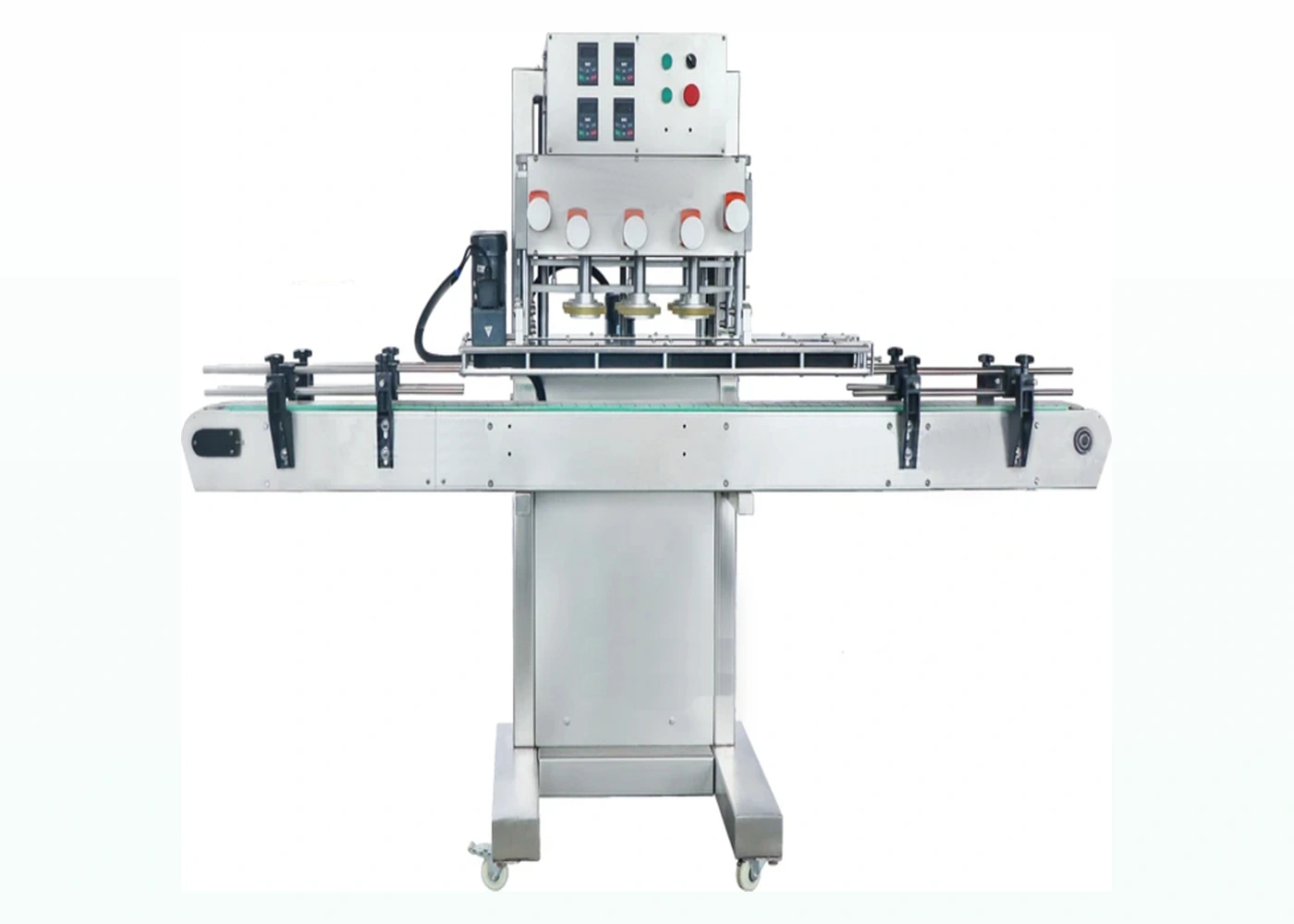
Buying detail
Draw the route from empty containers through filling, capping, labelling and packing. This helps show where the capper should sit and what it must connect to.
Operators need space to load caps, clear jams, change tooling and clean around the machine. A cramped layout can reduce real output.
Check power, air, data, safety and machine interfaces before installation. These details can affect commissioning time.
Include cap diameter, closure type, bottle size, target output, available space and whether the capper needs to connect to filling or labelling equipment.
Related routes
Use this route to compare another part of the screw capping project and strengthen your enquiry brief.
Use this route to compare another part of the screw capping project and strengthen your enquiry brief.
Use this route to compare another part of the screw capping project and strengthen your enquiry brief.
Use this route to compare another part of the screw capping project and strengthen your enquiry brief.
Use this route to compare another part of the screw capping project and strengthen your enquiry brief.
Use this route to compare another part of the screw capping project and strengthen your enquiry brief.
FAQs
Suitability depends on cap type, bottle stability, target torque, output and whether caps are manually placed or automatically fed. Samples help confirm the correct route.
Send bottle and cap samples or drawings, cap diameter, bottle height and diameter, target output, product type, line layout and any changeover requirements.
Yes. Lancing UK can review the product, pack, closure and output requirement first, then help shortlist a practical screw capping route.
Interface matrix
Record ownership for conveyor height and direction, bottle spacing, cap supply, accumulation, sensors, stop/start behaviour, fault recovery, guarding boundaries and access for changeover and cleaning.
| Interface | Questions to close | Evidence |
|---|---|---|
| Upstream | How do filled bottles arrive, space and remain stable? What happens when the capper stops? | Layout, bottle flow trial and stop condition. |
| Cap supply | Who supplies, orients and hands over caps? How is low/no-cap detected and recovered? | Cap-feed sequence and replenishment trial. |
| Downstream | What accumulation is available and how are uncapped or rejected packs controlled? | Connected sequence or agreed simulation. |
| Controls | Which signals, alarms, emergency stops and restart responsibilities cross machine boundaries? | Interface list and witnessed functional test. |
| Operator access | Can tooling, guides, feeder and controls be reached safely without blocking material flow? | Layout review and site-access confirmation. |
Space and access
A line can fit dimensionally yet still fail operationally when guards cannot open, change parts cannot be removed or rejected bottles cannot be recovered safely.
| Layout zone | Space and interface to confirm |
|---|---|
| Cap supply and handover | Bulk loading, replenishment, orientation, jam access, chute angle, low-level condition and safe recovery. |
| Capping and bottle control | Bottle stability, clamps or side belts, guarding envelope, adjustment access and product-spill control. |
| Inspection and reject | Stable bottle presentation, clear view, tracking distance, reject device, confirmation sensor and controlled reject collection. |
| Cleaning and changeover | Guard opening, tooling removal, cleaning access, parts staging, drainage or spill control and first-off inspection. |
| Maintenance | Isolation points, cabinet access, lifting or support of parts, safe working space and route for replacement components. |
| Line control | Emergency-stop zones, permissives, full-conveyor states, upstream/downstream stops and controlled restart after accumulation. |