01
Before the test
Gather representative bottles, caps and liners from the intended production components. Include several batches if component variation is possible.
Buyer guide
Bottle cap torque testing helps confirm whether a capping machine is applying closures consistently. This checklist gives buyers a practical starting point before sending samples or requesting a quotation.
Selection notes
Bottle cap torque testing helps confirm whether a capping machine is applying closures consistently. This checklist gives buyers a practical starting point before sending samples or requesting a quotation.
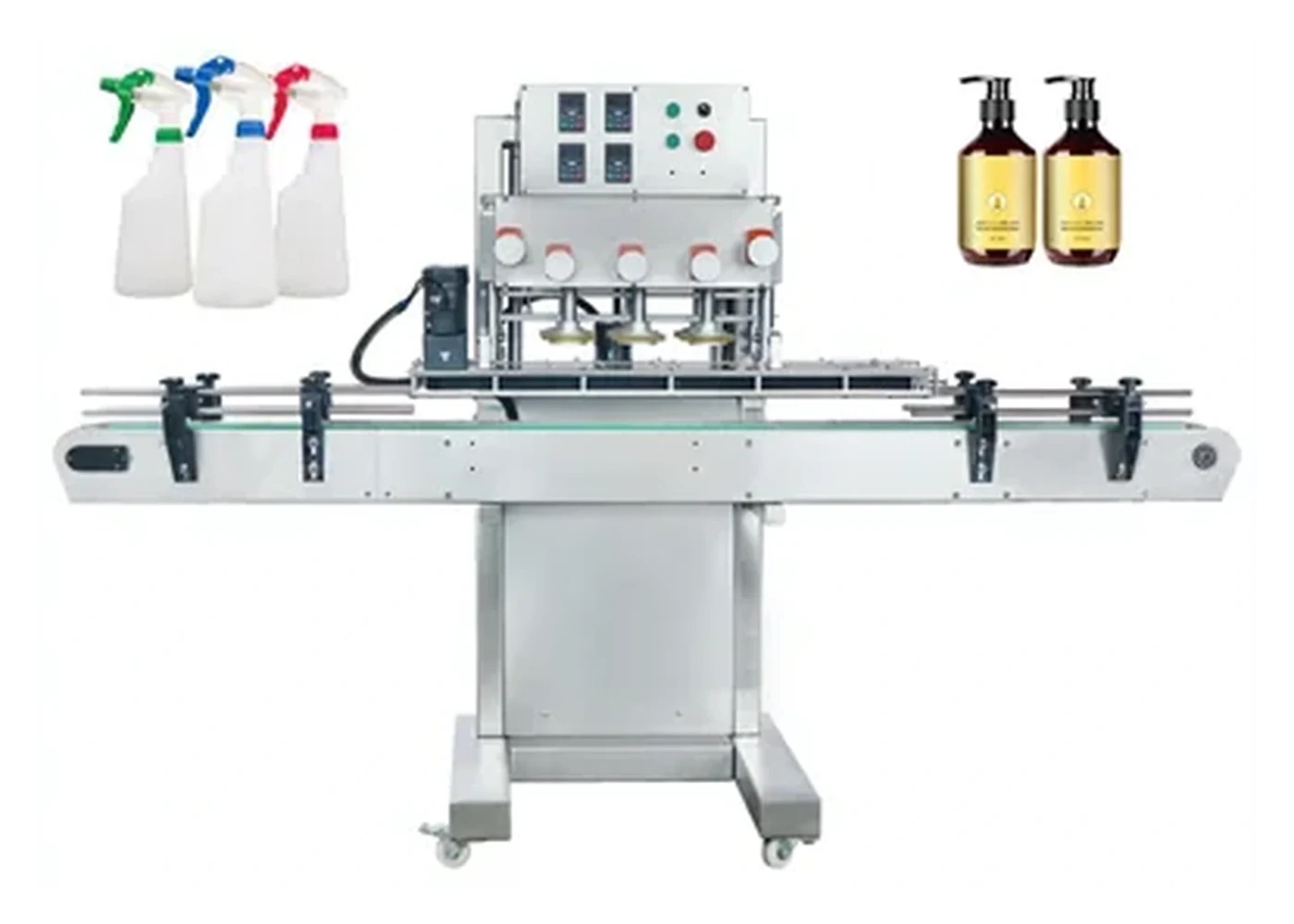
Buying detail
Gather representative bottles, caps and liners from the intended production components. Include several batches if component variation is possible.
Record the torque setting, machine setup, cap placement method and any signs of cross-threading, liner damage or cap marking.
Compare results against the required range and the customer opening experience. Use the results to refine tooling, torque settings and line speed.
Include cap diameter, closure type, bottle size, target output, available space and whether the capper needs to connect to filling or labelling equipment.
Related routes
Use this route to compare another part of the screw capping project and strengthen your enquiry brief.
Use this route to compare another part of the screw capping project and strengthen your enquiry brief.
Use this route to compare another part of the screw capping project and strengthen your enquiry brief.
Use this route to compare another part of the screw capping project and strengthen your enquiry brief.
Use this route to compare another part of the screw capping project and strengthen your enquiry brief.
Use this route to compare another part of the screw capping project and strengthen your enquiry brief.
FAQs
Suitability depends on cap type, bottle stability, target torque, output and whether caps are manually placed or automatically fed. Samples help confirm the correct route.
Send bottle and cap samples or drawings, cap diameter, bottle height and diameter, target output, product type, line layout and any changeover requirements.
Yes. Lancing UK can review the product, pack, closure and output requirement first, then help shortlist a practical screw capping route.
Acceptance record
A number without the pack, method and timing is difficult to compare or reproduce.
| Record field | What to capture | Why it matters |
|---|---|---|
| Pack identity | Bottle, cap, liner and supplier batch; filled or test-weight condition. | Component and weight variation can change engagement and removal behaviour. |
| Application setup | Machine, chuck/head/spindle, guide or clamp settings and line speed. | Links the finished result to a repeatable setup. |
| Placement condition | Manual or automatic placement, thread start and cap angle before tightening. | Prevents a poor start being misread as a torque problem. |
| Measurement method | Device, fixture, direction, rate, elapsed time and operator. | Different methods can produce different results. |
| Finished-pack checks | Cap height, visual engagement, liner/tamper condition, leakage and opening feel. | Torque alone does not prove closure integrity. |
| Run condition | Time in run, cap replenishment, stops, rejects and sustained output. | Shows whether the result is stable in production rather than a single cycle. |
Test governance
Use the same identified packs and measurement method from initial trial through FAT and SAT. Changes in component batch, fill condition, elapsed time or test fixture should be recorded rather than treated as directly comparable results.
Agree the sample register, accepted reference, measurement method and the defect conditions that make a pack unacceptable.
Record machine configuration, cap placement, stops, replenishment, rejects and results across the run rather than selecting only successful packs.
Retain approved settings and reference packs, and define how production will respond when the result moves outside the accepted condition.