01
Bottle and cap fit
Confirm the bottle neck finish, cap thread, closure height and required finished-pack result.
Service support
Support for getting screw capping machinery installed, set up and handed over correctly.
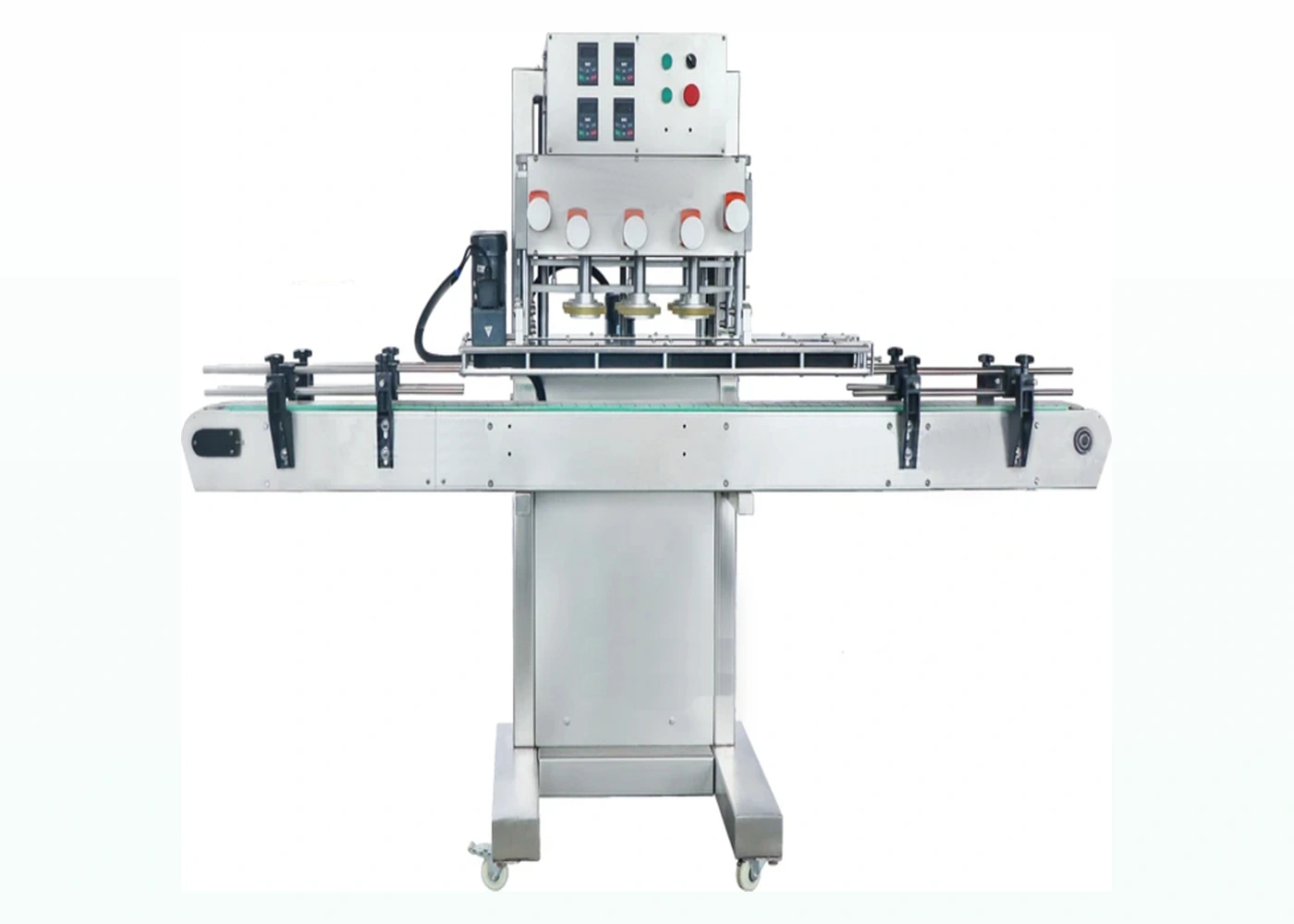
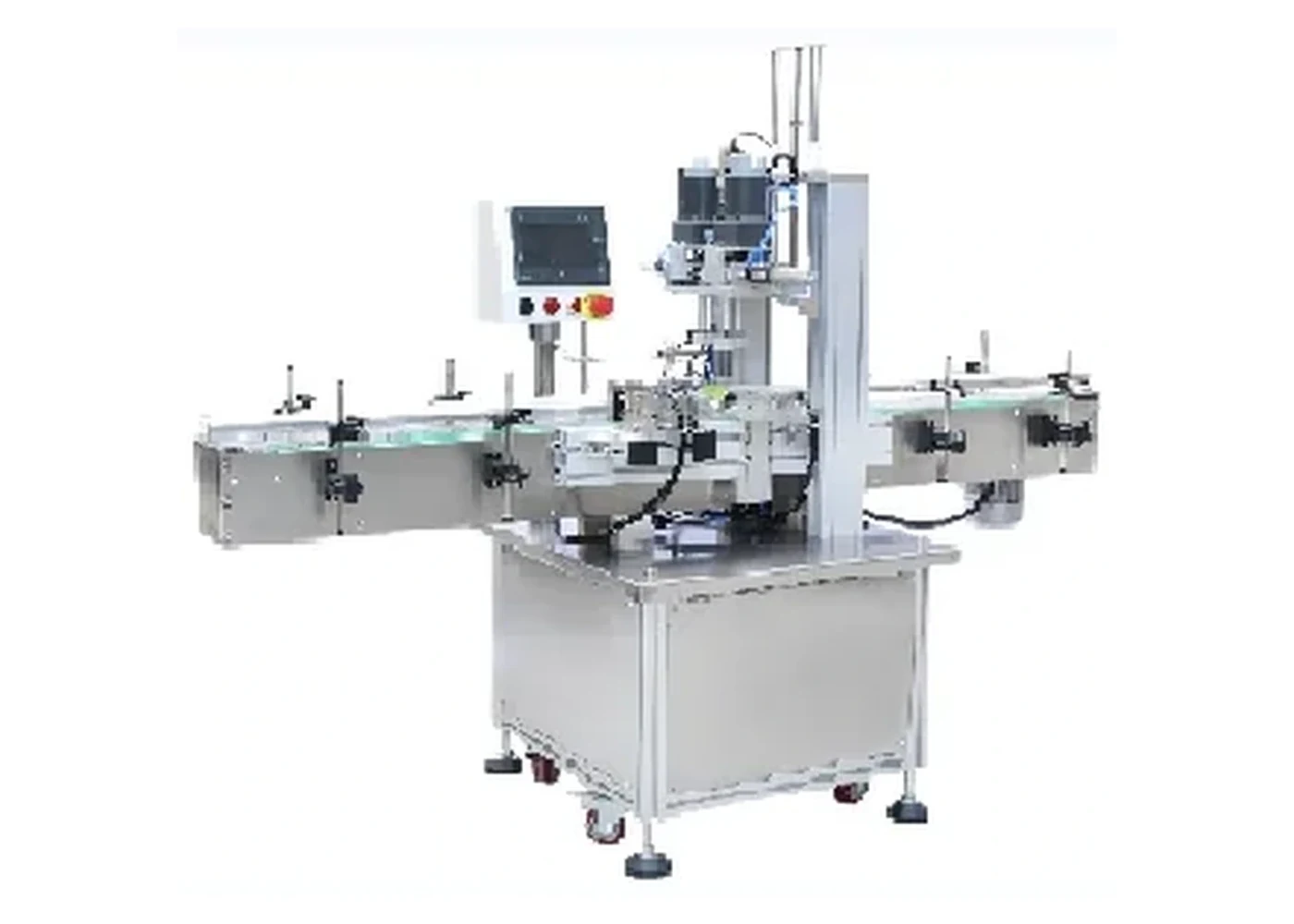
A good screw capping installation checks more than power and air. It should confirm bottle flow, cap presentation, torque setting, guarding, operator access, sample runs and changeover method.
Lancing UK can support installation, commissioning, operator handover, spare parts and aftercare around screw capping machinery and wider packaging lines.
Planning points
Confirm the bottle neck finish, cap thread, closure height and required finished-pack result.
Check target bottles per minute or bottles per hour and whether the operator can sustain the workflow.
Decide whether the capper is standalone or needs to connect to filling, labelling or conveyors.
FAQs
Send bottle dimensions, cap type, cap diameter, target output, product type, photographs and whether cap feeding or line integration is required.
Yes. Representative bottles and caps help confirm grip, torque, cap presentation and changeover requirements.
Many screw capping machines can be supplied as standalone equipment or planned as part of a filling, capping, labelling and conveyor line.
Send photos, samples or dimensions and Lancing UK will help shortlist the most suitable machinery route.
Commissioning controls
Commissioning should identify the production components used, restore the factory configuration, confirm utilities and transfers, test cap presentation and bottle control, then complete the agreed closure checks with site operators.
Access, level, utilities, guarding, conveyor interfaces and control responsibility.
Format setup, cap feed, bottle handling, normal stop/restart, accumulation and fault recovery.
SAT record, operator training, manuals, format settings, change parts and open actions.
Site handover
The installed machine should be released against the approved pack and the real line sequence, not only a mechanical power-on check.
Test guards, interlocks, emergency stops, isolation, access and line-stop boundaries defined by the site assessment.
Prove safe access, tooling identity, approved cleaning method, reassembly and first-off release for the selected formats.
Challenge cap checks, bottle tracking, reject confirmation, consecutive-fault response and stop/restart conditions.