01
Bottle and cap fit
Confirm the bottle neck finish, cap thread, closure height and required finished-pack result.
Buyer guide
Compare cap feeding routes before selecting an automatic screw capping machine.
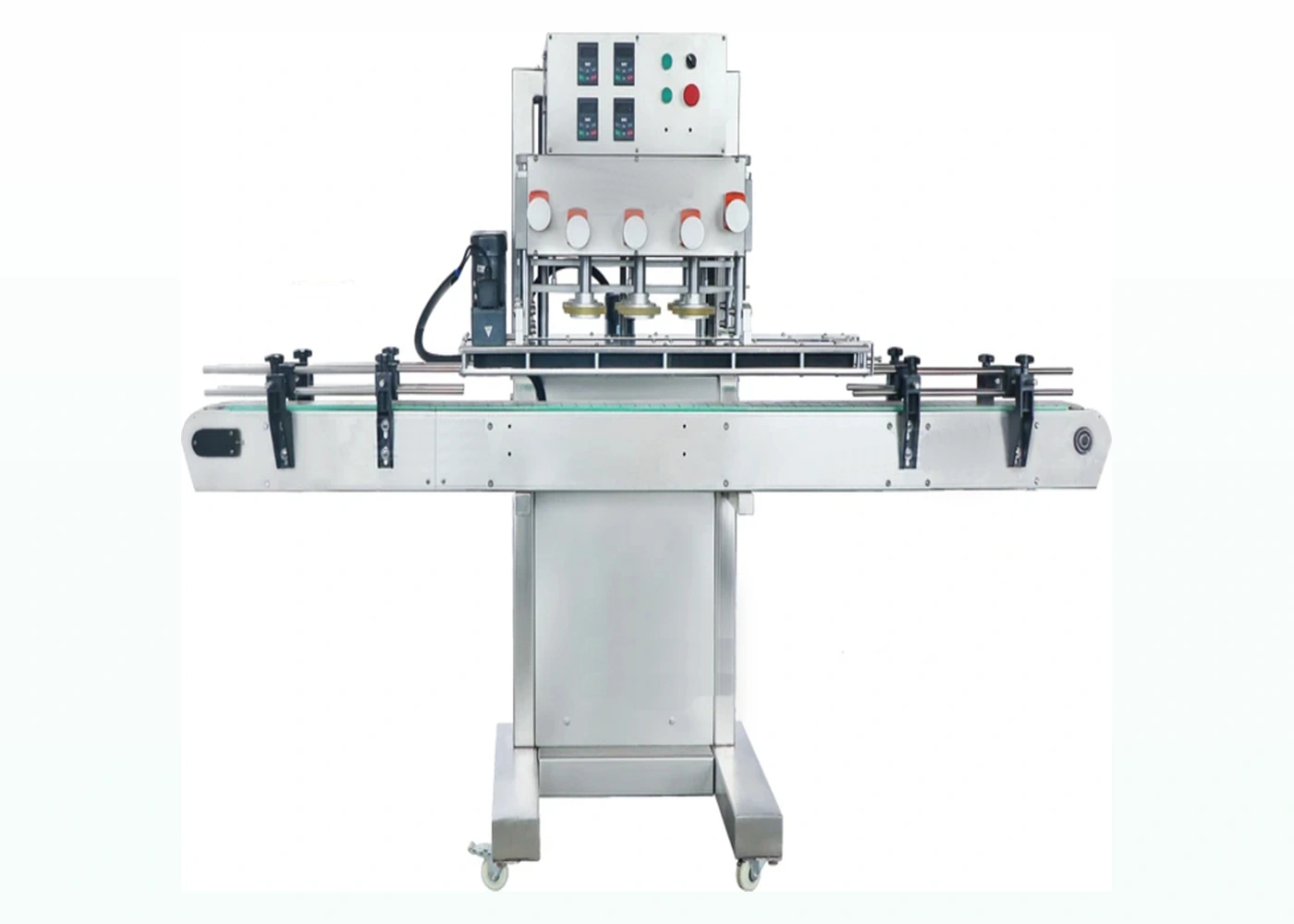
Cap feeding is often the difference between a machine that reaches its target output and one that becomes operator limited. Manual placement can be cost-effective at lower speeds, but automatic machinery may require a cap elevator, chute, bowl feeder or orientating system.
The best approach depends on cap size, shape, orientation, material, feed rate and changeover frequency.
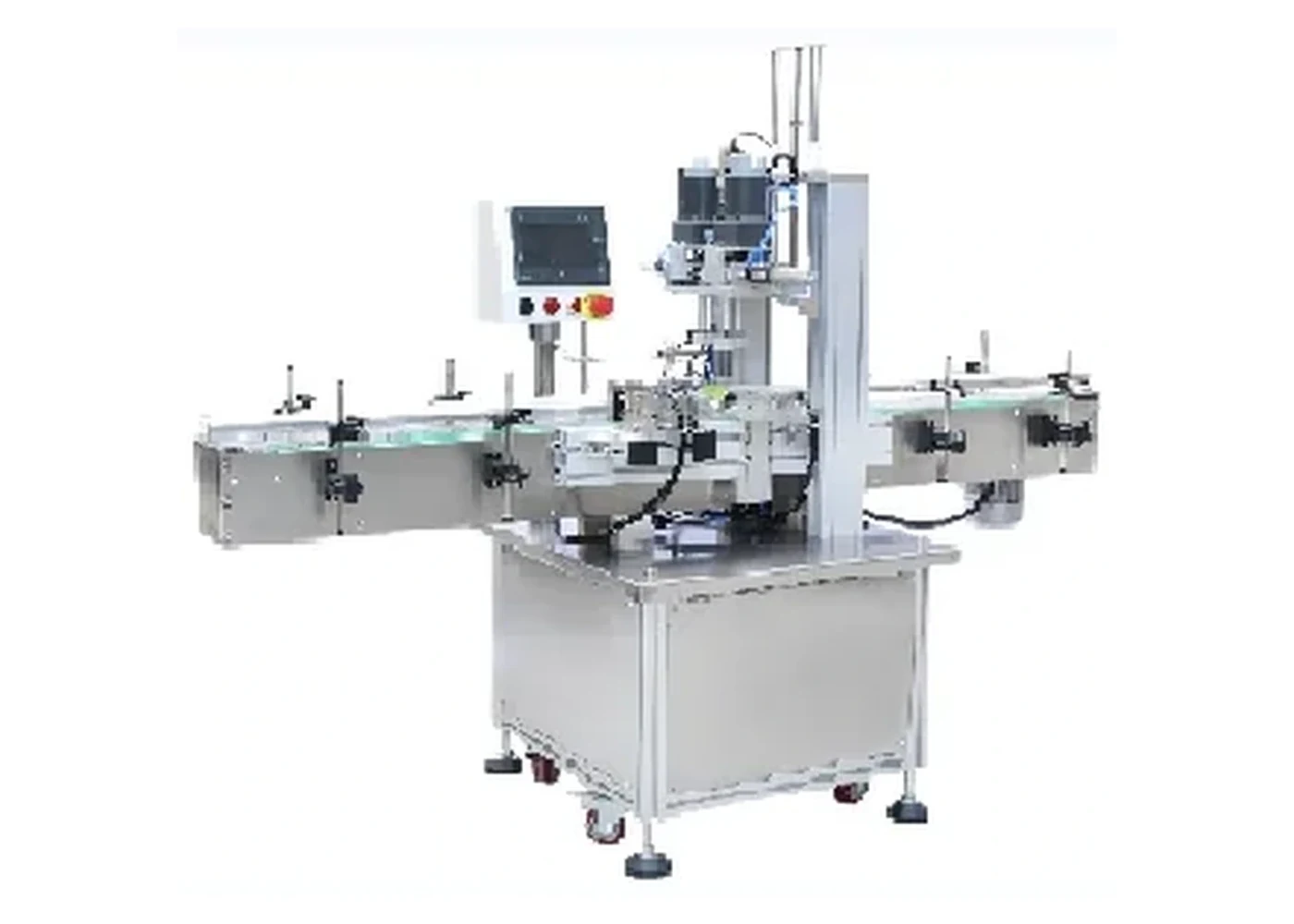
Planning points
Confirm the bottle neck finish, cap thread, closure height and required finished-pack result.
Check target bottles per minute or bottles per hour and whether the operator can sustain the workflow.
Decide whether the capper is standalone or needs to connect to filling, labelling or conveyors.
FAQs
Send bottle dimensions, cap type, cap diameter, target output, product type, photographs and whether cap feeding or line integration is required.
Yes. Representative bottles and caps help confirm grip, torque, cap presentation and changeover requirements.
Many screw capping machines can be supplied as standalone equipment or planned as part of a filling, capping, labelling and conveyor line.
Send photos, samples or dimensions and Lancing UK will help shortlist the most suitable machinery route.
Draw the capper receiving point and identify the required cap position before tightening. Ask a feeder proposal to show how loose closures reach that point, including any orientation and transfer stages. Keep the final handover in scope when comparing a bowl, elevator or manually loaded arrangement.
Use the actual cap delivery packaging in the discussion. Explain how operators replenish closures and how old caps are removed at a format change. The useful output comparison includes these tasks as well as continuous feeding between replenishment events.
It can be considered, but agree the mechanical and control interfaces between the two suppliers. Ask who owns the complete handover trial and which sample and output conditions will be used for acceptance.