01
Start with the finished pack
Bottle size, cap style, label position and pack presentation all influence the line layout. Starting with the finished pack avoids buying a capping machine that later conflicts with filling or labelling requirements.
Line integration
A bottle capping line brings together bottle handling, filling, cap presentation, capping, labelling and packing. Lancing can help plan the capping stage as part of the wider line rather than as an isolated purchase.
Selection notes
A bottle capping line brings together bottle handling, filling, cap presentation, capping, labelling and packing. Lancing can help plan the capping stage as part of the wider line rather than as an isolated purchase.
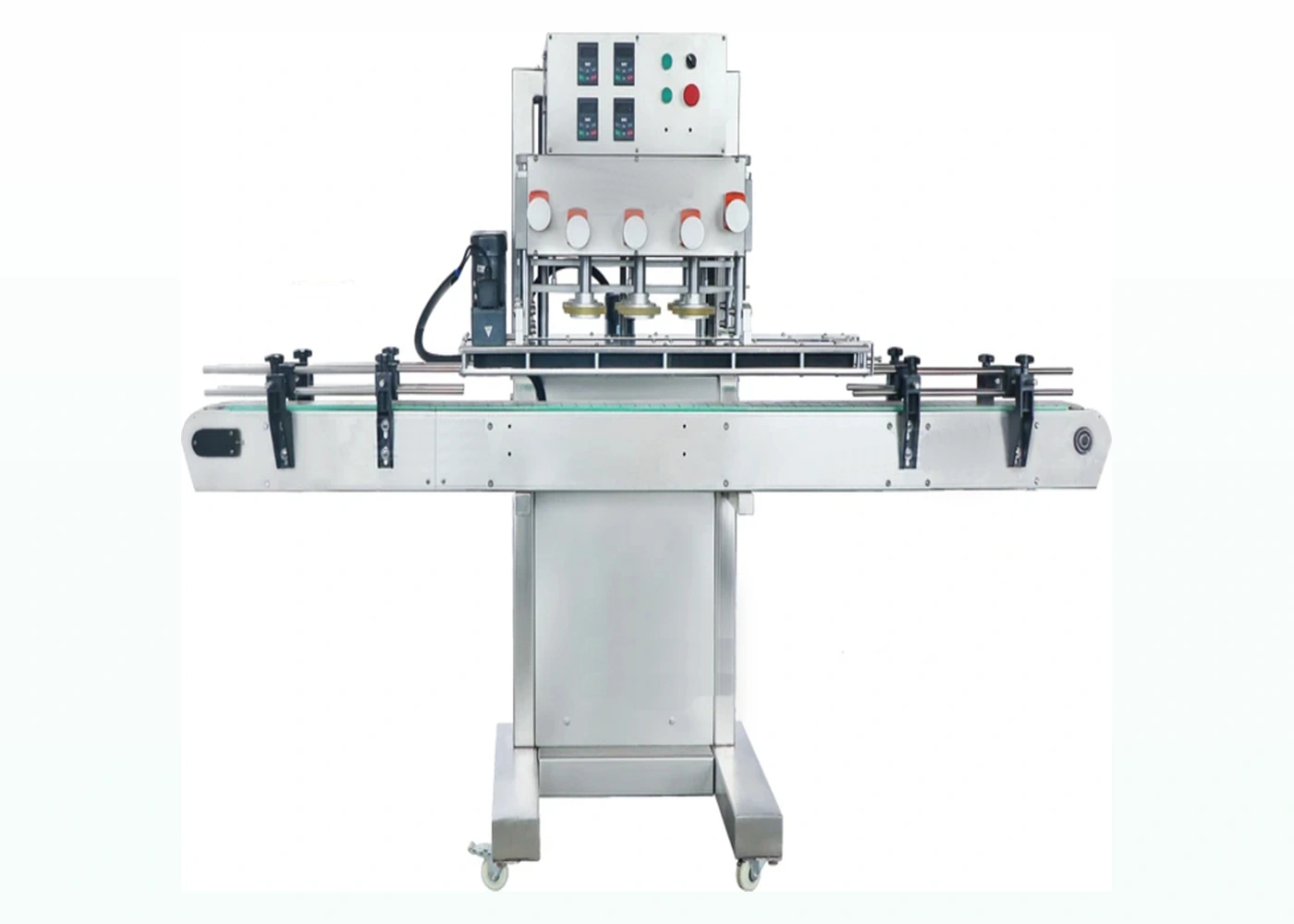
Buying detail
Bottle size, cap style, label position and pack presentation all influence the line layout. Starting with the finished pack avoids buying a capping machine that later conflicts with filling or labelling requirements.
The slowest stage controls the real output. If filling, capping and labelling are not balanced, the line may suffer from queues, stoppages or unnecessary operator handling.
Installation should include realistic product trials, changeover checks and operator handover. This helps the line settle into production faster.
Include cap diameter, closure type, bottle size, target output, available space and whether the capper needs to connect to filling or labelling equipment.
Related routes
Use this route to compare the next stage of the screw capping project.
Use this route to compare the next stage of the screw capping project.
Use this route to compare the next stage of the screw capping project.
Use this route to compare the next stage of the screw capping project.
Use this route to compare the next stage of the screw capping project.
FAQs
Yes. Lancing can support individual machines and wider packaging-line projects.
It is better to plan the full route first so speed, layout and transfer points match.
Pack drawings, site layout, target output, utilities, product type and changeover needs are useful starting points.
Capping and sealing line
A complete bottle capping line may need more than a cap feeder and tightening machine. Where the closure contains an induction liner, define cap application, sealer hand-off, stop behaviour, seal inspection and reject handling before the footprint and controls are fixed.
Confirm correct cap and liner, square thread start, cap height and the approved application condition.
Control bottle centreline, conveyor speed, sealing-head clearance, power recipe and bottles affected by a stop.
Inspect the foil, retain sampled torque and integrity checks, and define how failed packs are removed and recorded.