01
Bottle and cap fit
Confirm the bottle neck finish, cap thread, closure height and required finished-pack result.
Chemical packaging
Plan screw capping machinery for chemical and household liquid bottles where torque, material compatibility and safe line layout matter.
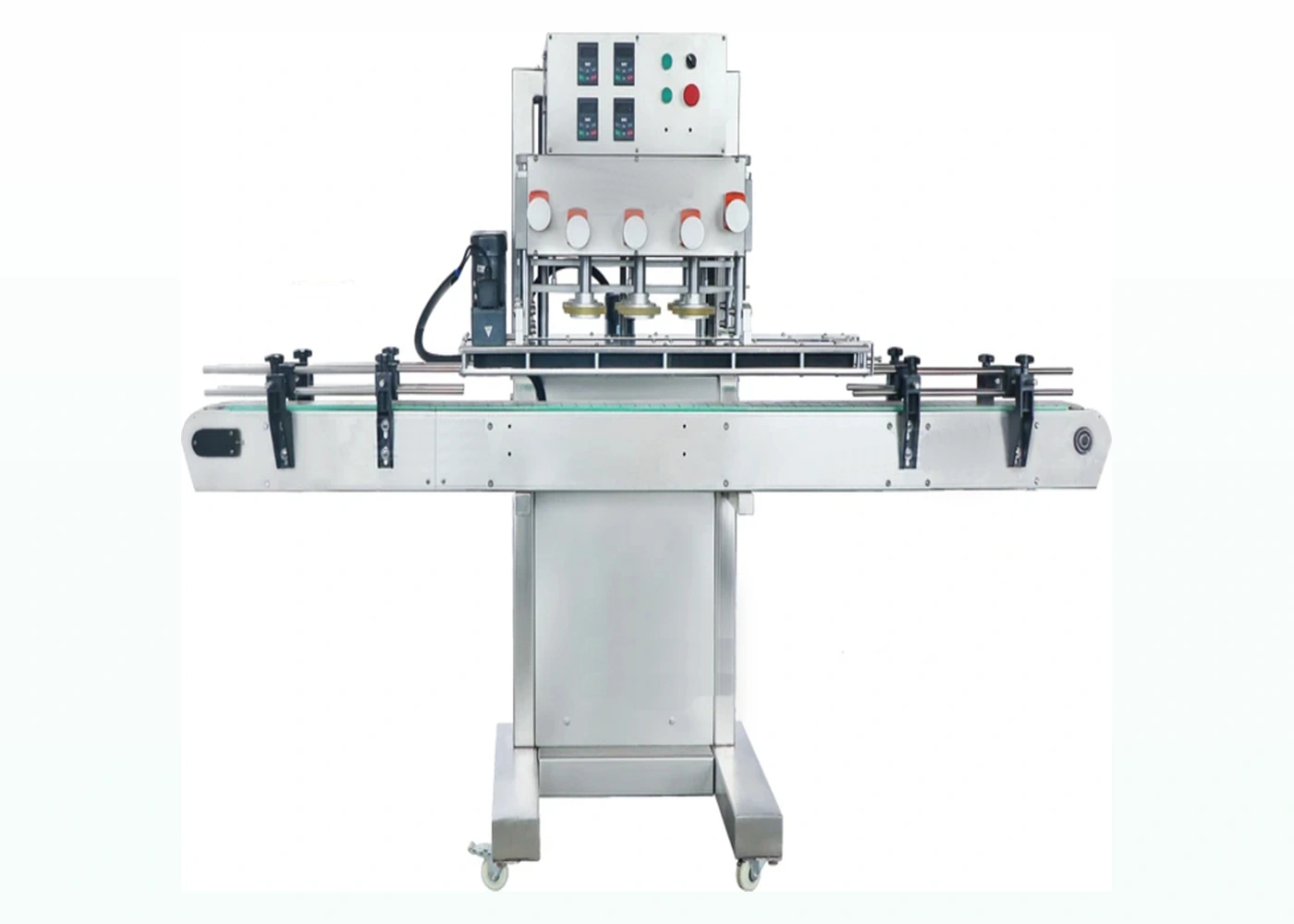
Chemical packaging can involve heavier bottles, stronger caps, trigger sprays, larger containers and products where leakage risk needs to be controlled. The correct capping route should consider torque repeatability, bottle grip, operator safety and integration with filling.
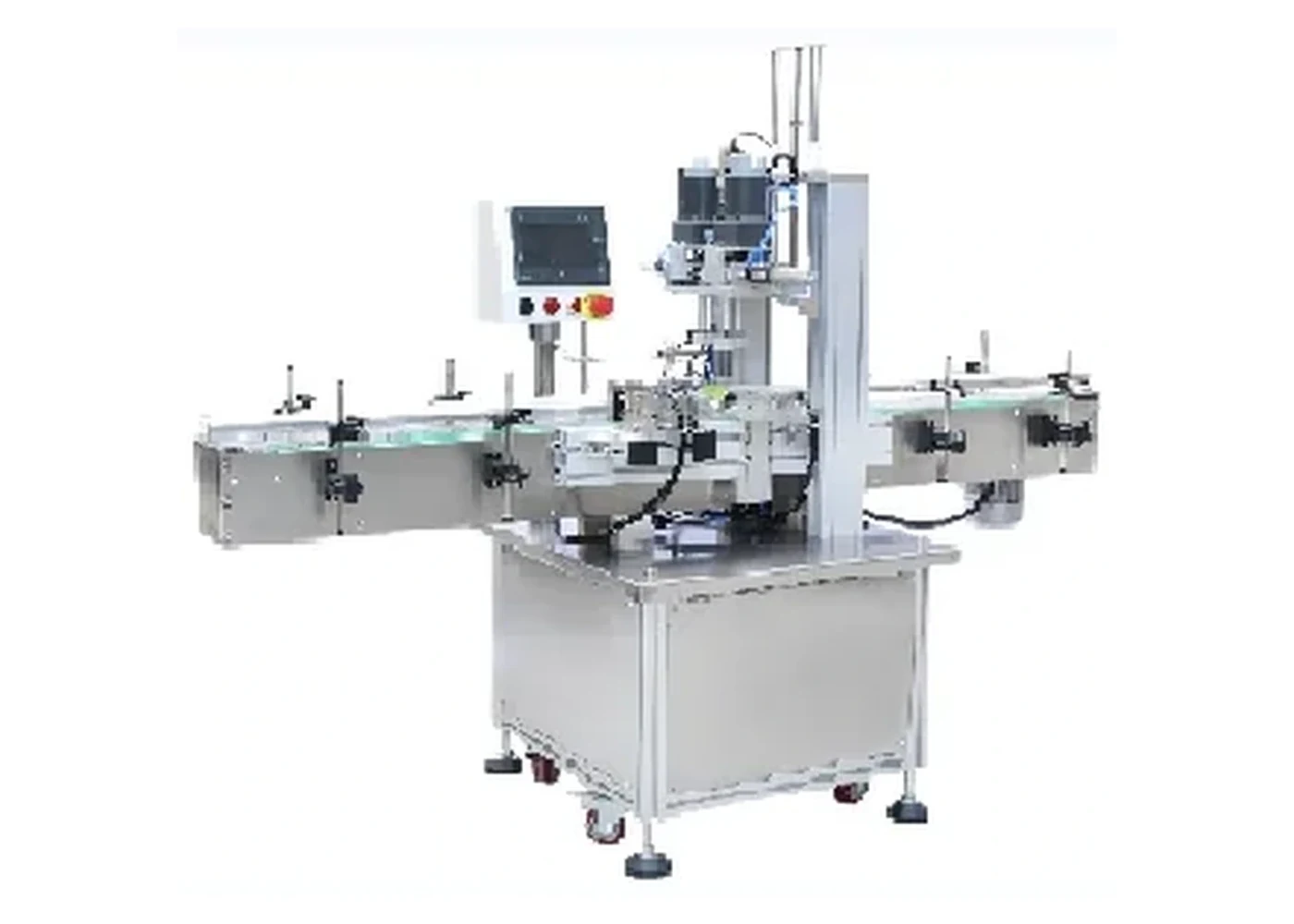
Lancing UK can help specify a practical system for bottles, jerrycans and household product packs.
Planning points
Confirm the bottle neck finish, cap thread, closure height and required finished-pack result.
Check target bottles per minute or bottles per hour and whether the operator can sustain the workflow.
Decide whether the capper is standalone or needs to connect to filling, labelling or conveyors.
FAQs
Send bottle dimensions, cap type, cap diameter, target output, product type, photographs and whether cap feeding or line integration is required.
Yes. Representative bottles and caps help confirm grip, torque, cap presentation and changeover requirements.
Many screw capping machines can be supplied as standalone equipment or planned as part of a filling, capping, labelling and conveyor line.
Send photos, samples or dimensions and Lancing UK will help shortlist the most suitable machinery route.
For chemical or household products, identify the bottle, closure and product conditions in the enquiry and ask the site team to supply any relevant installation requirements. A general chemical application page does not confirm suitability for every substance or production environment.
Where the closure includes venting, a child-resistant assembly or a dispensing feature, provide its supplier reference and intended function. Ask the packaging team to define the finished-pack checks and the machinery supplier to explain how the proposed handling addresses that particular closure.
It establishes only the aspects tested. Product compatibility, closure function, transport and other pack requirements need their own responsible assessment; ask for the capping trial results to state the exact samples, methods and acceptance criteria used.