01
How pneumatic capping helps
Pneumatic assistance can improve repeatability and reduce operator fatigue. It is often used where the operator presents the bottle and cap, then the machine applies controlled tightening.
UK screw capper route
Pneumatic screw capping machines are often considered where production needs assisted tightening but not a fully automatic line. The machine route depends on air supply, torque requirement, closure behaviour and operator workflow.
Selection notes
Pneumatic screw capping machines are often considered where production needs assisted tightening but not a fully automatic line. The machine route depends on air supply, torque requirement, closure behaviour and operator workflow.
Buying detail
Pneumatic assistance can improve repeatability and reduce operator fatigue. It is often used where the operator presents the bottle and cap, then the machine applies controlled tightening.
Torque can be affected by the capper head, cap material, liner behaviour and bottle thread quality. A sample trial helps confirm whether the setup is repeatable.
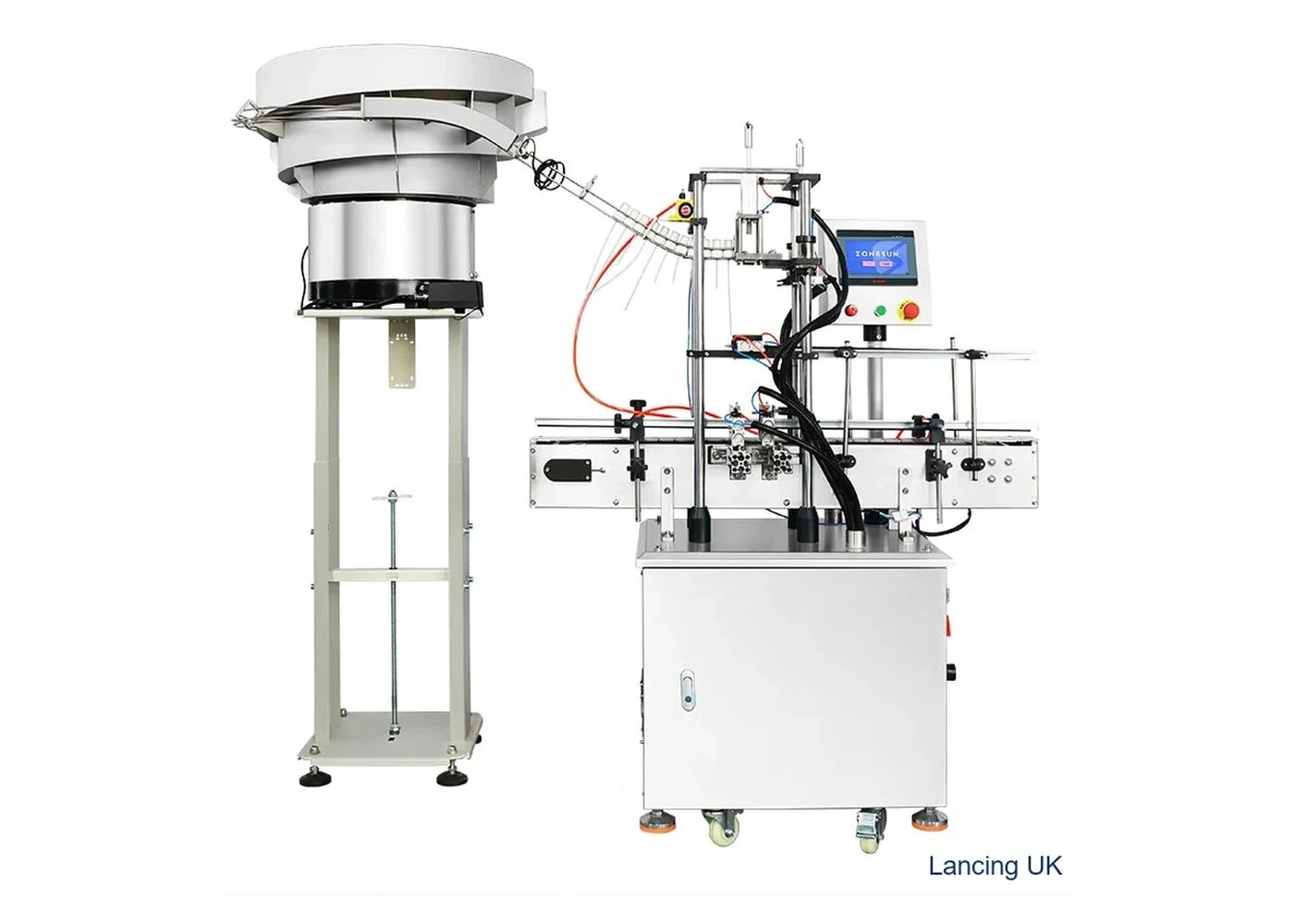
If the site needs high throughput, automatic cap placement or conveyor integration, a compact inline or automatic capper may be a better route.
Include cap diameter, closure type, bottle size, target output, available space and whether the capper needs to connect to filling or labelling equipment.
Related routes
Use this route to compare another part of the screw capping project and strengthen your enquiry brief.
Use this route to compare another part of the screw capping project and strengthen your enquiry brief.
Use this route to compare another part of the screw capping project and strengthen your enquiry brief.
Use this route to compare another part of the screw capping project and strengthen your enquiry brief.
Use this route to compare another part of the screw capping project and strengthen your enquiry brief.
Use this route to compare another part of the screw capping project and strengthen your enquiry brief.
FAQs
Check the available air supply and the work the operator must still do to present the filled bottle and closure. Trial the full pick, place, tighten and release sequence across the intended batch and compare good packs and changeover effort.
Send bottle and cap samples or drawings, cap diameter, bottle height and diameter, target output, product type, line layout and any changeover requirements.
Yes. Lancing UK can review the product, pack, closure and output requirement first, then help shortlist a practical screw capping route.